How Surface Correction Restores Paint Clarity and Protects Vehicle Finish
Vehicle paint faces daily wear from dust, road grit, and harsh weather. Over time, these factors create light scratches and dull swirl marks. These flaws hurt shine and lower resale value. Many drivers look for safe ways to restore paint without repainting. Surface correction methods can smooth damaged clear coat layers. When done correctly, this process improves reflection and restores depth. Understanding how this technique works helps you choose the right service and avoid costly mistakes.
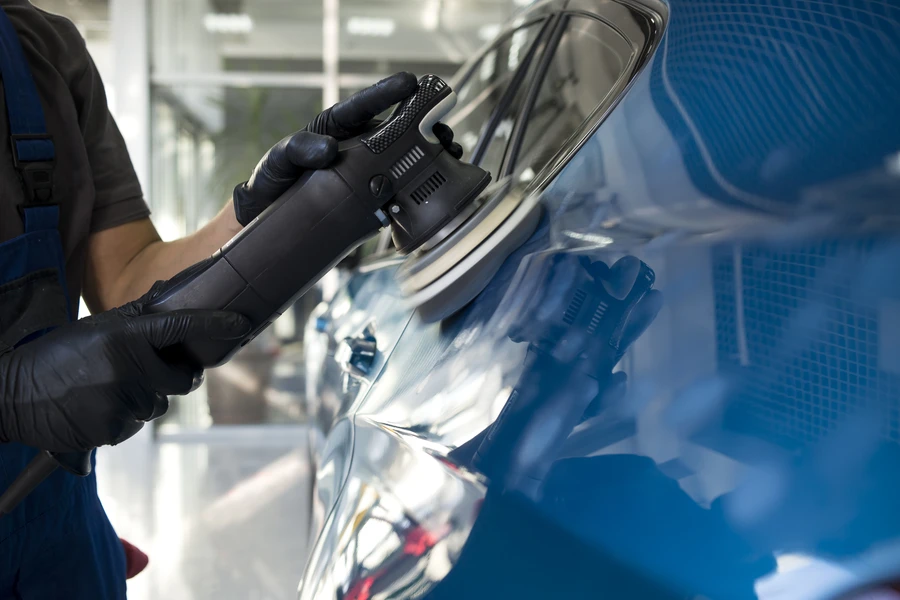
With Clear Benefits for Vehicle Appearance
The main benefit of car buffing is visible paint improvement without major repairs. This method removes or reduces light scratches by leveling the clear coat. Paint looks deeper and more even afterward. Proper correction also helps sealants bond better. This can extend protection against UV rays and oxidation. You also gain better resale value since buyers notice gloss first. Used correctly, this approach delivers results faster than repainting at a lower cost.
With Understanding of Surface Defects
Car buffing works best on defects found in the clear coat layer. Swirl marks come from improper washing and dirty towels. Fine scratches often form from automatic car washes. Deeper marks may reach base paint and need other repair steps. Knowing defect depth prevents overworking the surface. Light damage responds well to polishing tools and compounds. Heavy damage needs careful testing before correction begins.
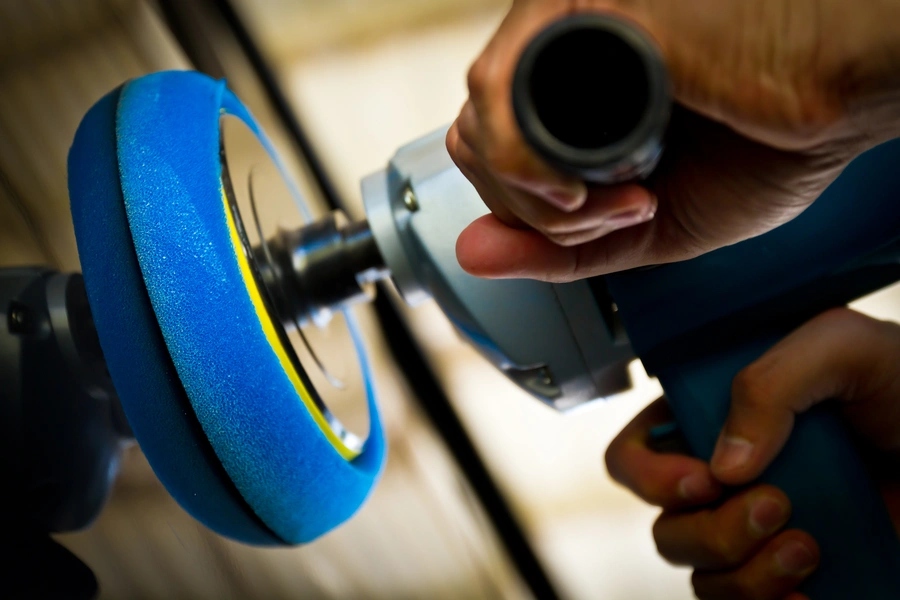
With A Step by Step Correction Process
Car buffing follows a structured process to avoid paint damage. Each step builds on the last one for safe results.
- Wash and decontaminate the surface to remove bonded dirt
- Inspect paint depth using proper lighting
- Select pad and compound based on defect type
- Work in small sections using even pressure
- Wipe residue and inspect results before sealing
With Common Challenges Drivers Face
Many drivers attempt correction without proper tools. This can cause uneven results or burn through clear coat. Cheap machines lack speed control and cause heat buildup. Wrong compounds can add haze instead of clarity. Poor lighting hides remaining defects until daylight. Skipping paint inspection also risks thinning healthy areas. These issues often cost more to fix later.
With Best Practices That Protect Paint
Professionals follow proven habits to keep paint safe during correction.
- Use clean pads and replace them often
- Work one panel at a time for control
- Keep machine speed steady and moderate
- Test a small area before full correction
- Apply protection after polishing to seal results
With Industry Standards and Safety Guidelines
Detailing professionals follow paint correction standards set by manufacturers. Clear coats average two to three mils thick. Only a small portion should be removed during correction. Using paint depth gauges helps track safe limits. Quality shops document steps and materials used. Many follow OSHA safety rules for compounds and dust control. These standards help protect your vehicle and the technician.
With Cost Factors and Value Comparison
Pricing varies based on vehicle size and paint condition. Light correction costs less than multi stage services. You should compare value, not just price.
- Pros: restores shine, improves value, avoids repainting
- Cons: cannot fix deep gouges, requires skilled work
With Professional Help for Lasting Results
For lasting paint clarity, expert service matters. Call (909) 321-9234 to discuss correction options and timing. Located in Rialto, CA, our team serves local drivers with care. Recovery Mobile Auto Detail Wraps focuses on safe surface correction that protects your investment. We use proven methods and clear communication to deliver consistent results.